Government Jobs Without Exams: Direct Recruitment Guide
Updated 22 Oct 2026 · 4 min read
Learn how direct recruitment without a written exam works, which selection routes may be used, and how to check notifications and apply safely.
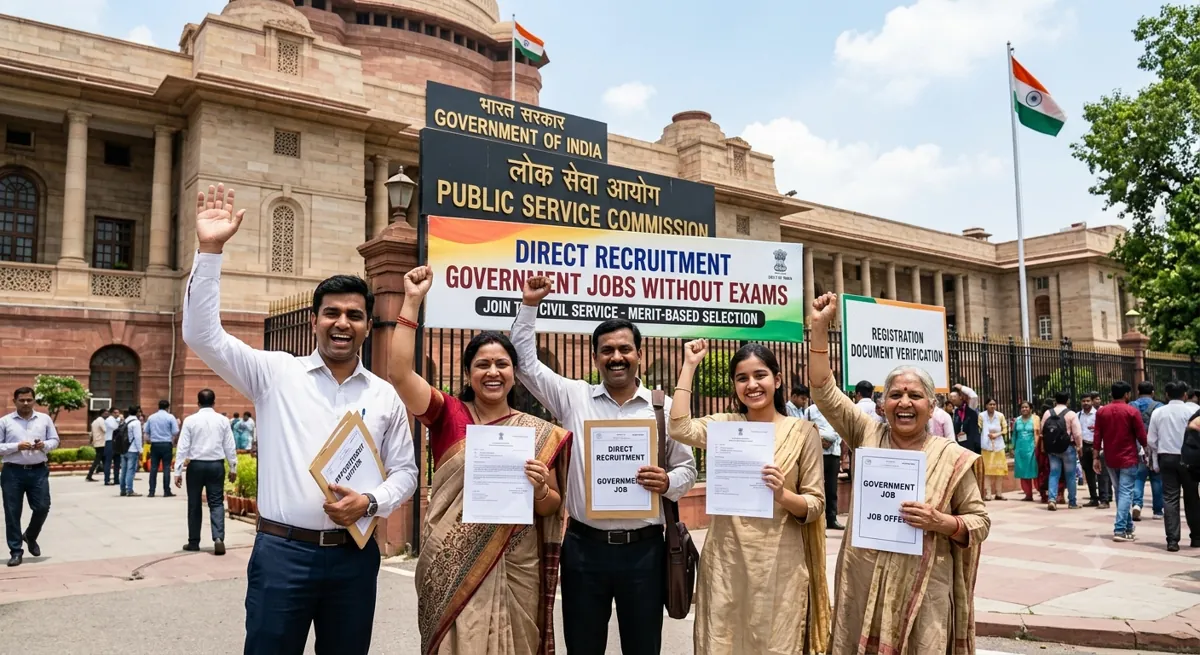
What does “government job without an exam” mean?
Direct recruitment means a department or public organisation hires candidates through an open recruitment process rather than promoting existing employees. It does not automatically mean there is no examination. Some direct recruitment notices include a written test, while others select candidates through merit, an interview, a practical assessment or a combination of stages.
The process varies by employer, role and recruitment rules. Central and state departments, public-sector organisations, local bodies and government-funded institutions may all use different methods. Always read the official notification to confirm whether a written exam is required.
Possible selection routes
Some vacancies may not include a written examination, but candidates still need to meet the eligibility rules and complete the stated selection stages. Common routes include:
- Merit-based shortlisting: Applicants may be shortlisted using qualifications or marks specified in the notice. Check how merit is calculated and whether other stages follow.
- Interview-based selection: Certain specialist, academic, medical or project roles may use interviews to assess relevant knowledge and experience. An interview is still a formal selection stage.
- Skill or practical assessment: A role may require a trade test, typing test, driving test, physical assessment or demonstration of professional skills. Such tests are not always called written exams, but they can be qualifying or competitive.
- Sports-related recruitment: Some employers recruit eligible sportspersons under a sports quota. Selection can involve certificates, performance records, trials or other assessments, depending on the notification.
- Compassionate appointment: This is a limited appointment route for eligible family members of a government employee who died in service or became medically unfit, subject to applicable rules. It is not an open vacancy route for all jobseekers.
These are possible methods, not guarantees. A recruitment notice may also combine merit shortlisting with an interview, skill test or document verification.
Roles and vacancy types to check
Search official recruitment pages for words such as merit-based selection, interview, walk-in interview, skill test, sports quota or no written examination. These phrases can help you find relevant notices, but the full notification decides the actual process.
Some government institutions hire specialists, doctors, teachers, researchers, consultants or project staff through selection methods that may differ from large general recruitment exams. A vacancy may be temporary, contractual or project-based rather than a permanent government post. Read the section on tenure, pay, benefits and employer status before applying.
Apprenticeships are another route to training and work experience, but an apprenticeship is not the same as a regular government job. Completing one does not automatically guarantee permanent employment. Check the official terms and any later recruitment requirements.
How to check a notification
Before applying, read the complete notice and confirm these points:
- Employer and post: Verify the recruiting organisation and exact job title on its official website or portal.
- Eligibility: Check education, required subjects, experience, age conditions and any category-related rules. For limits or relaxations, check the official notification.
- Selection stages: Look for written tests, interviews, skill or physical tests, shortlisting criteria, document verification and medical requirements.
- Job conditions: Confirm whether the post is permanent, temporary, contractual or an apprenticeship, and review its location, tenure and pay details.
- Application instructions: Follow the stated method, documents and deadline (check the official notification). Do not rely on an old notice or an unofficial summary.
If the notice is unclear about whether a written test will be held, contact the recruiting authority using details published in the official notice. Do not assume that a post is exam-free because a social media post or job listing says so.
Apply carefully and avoid scams
Keep clear copies of your certificates, identity documents, experience records and any other documents requested. Use the application portal or address named in the notification, and save your submitted form and acknowledgement for reference.
Be cautious of anyone promising selection in exchange for money, influence or a guaranteed interview. Recruitment decisions should follow the published rules. Pay an application fee only if the official notification requires it, and check the official notification for the amount and payment method.
Prepare even when there is no written exam
An exam-free selection process still needs preparation. Review your subject knowledge, practise explaining your experience, and prepare for likely interview questions. For a skill-based role, practise the task described in the notice and bring the required certificates or work samples.
For roles that may include a written test or for other exams you are preparing for, build a steady study routine and practise under timed conditions. SarkariJobers offers free mock tests to help you check your preparation and improve your exam strategy.
#Government Jobs#Direct Recruitment#Job Preparation